6 Reasons People are Leaving Social Media
Millions of people are no longer using social media. People are leaving Facebook, Twitter, and Instagram and searching for something new, something better. The reasons behind the mass exodus vary, but they all have one thing in common: people seek sites that are more social, less combative, and offer better security and privacy.
Politics
It’s no secret that the world is becoming more divided. The 2020 U.S. presidential election was one of the most contentious in history, and people are still talking about it. People are leaving social media because they’re sick of politics.
Instead of coming together to help the country move forward, Americans are more inclined to denigrate those with differing opinions than they do – especially on social media. This hatred is causing people to abandon social media in droves.
Users are tired of the nastiness, but they’re tired of leaving Twitter and Facebook for sites without the same negativity. Many feel the only option is to quit social media altogether.
They’re searching for ways to connect where opinions on politics and related topics aren’t front and center. With Breakout Social, social media users can keep conversations fun and productive and skip political commentary as they see fit.
Insecurity and Jealousy
People are tired of comparing themselves to others. Social media is overrun with people’s best moments: perfect vacations, delicious meals, and well-edited photos. They’re rife with insincerity and falsehoods.
Many are tired of feeling bad about their own lives, or worse – putting on a show for their friends and family. They’re seeking something different, something more authentic.
Insecurity isn’t limited to the time you spend online. It causes people to feel disconnected from themselves and can cause them to feel disconnected from their friends, family, and communities.
Many realize that you won’t find happiness in the number of likes, retweets, or followers on their profile. Instead, they can find it with a live, invested community to access. Breakout Social is a social media site with a vision to help people become happier.
Privacy and Security
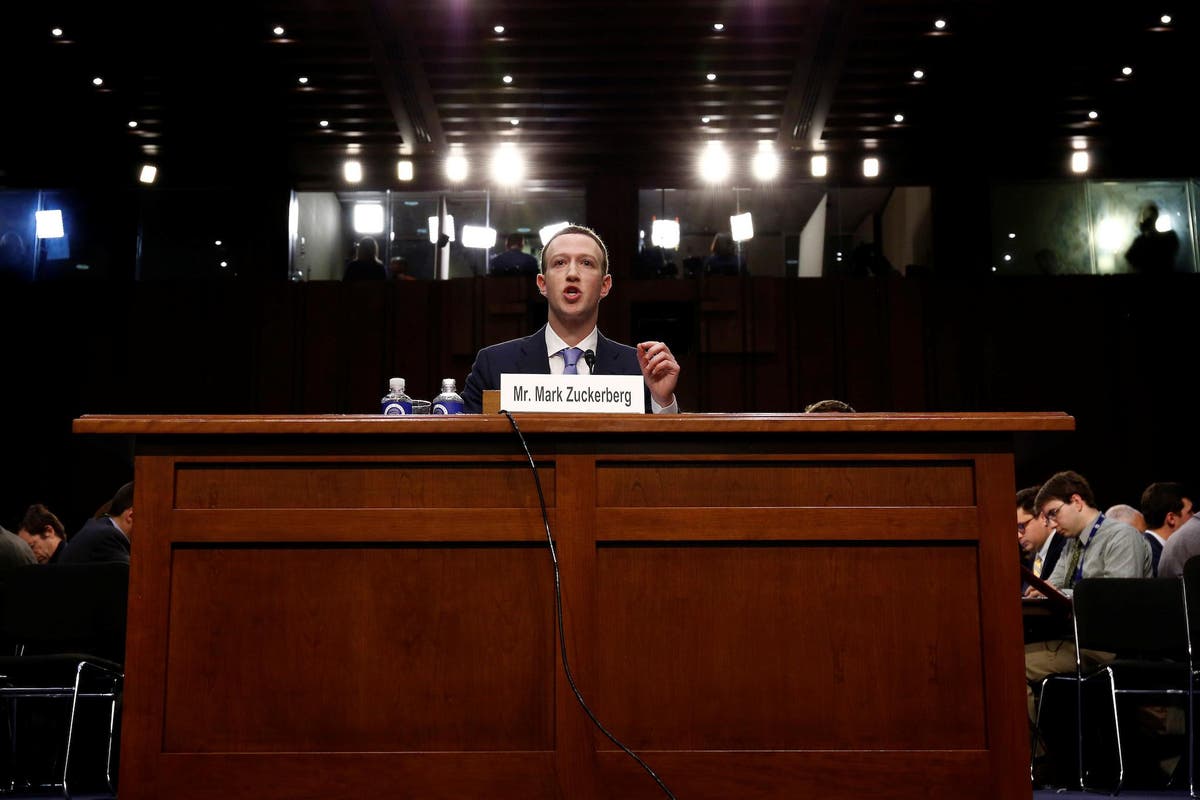
People are concerned with their data, and rightfully so. They’re tired of companies mining their data to sell ads. They want control over what information companies can see, how businesses use it, and to opt-out of data collection without penalty.
The European Union’s General Data Protection Regulation (GDPR) is the latest step in giving people back their data. The law forces companies to ask users for permission before collecting or sharing any data about them, and it provides penalties if they don’t get approval.
This law only extends to users in the EU. It offers no protection for others worldwide, including in the U.S. It’s possible to find a social media site that’ll never sell your data and cares about your privacy. Platforms like Breakout are hitting the web to offer people a safer alternative.
Unrealistic Expectations
No matter how well things are going on social media, one wrong conversation can turn the tides for anyone. One insensitive comment can ruin a career, destroy friendships, or make someone appear to be something they’re not.
While social media is often seen as a net positive, it’s easy to be kicked off or otherwise alienated because of an innocent mistake or misunderstood comment. Digital consumers are sick of carrying so much weight on their shoulders around the clock, and they don’t want to worry about censorship or misuse of posts.
It’s devastating when someone’s banned from a social media page, like Facebook or Twitter, that they’ve used for years and formed friendships with people worldwide. The platform’s action causes them to leave their online family, possibly forever, leaving them feeling lost.
Waste of Time
People are spending too much time on social media sites. In 2012, users were only on the platforms for about 90 minutes daily. Although 2021 was different, as millions of people were shuttered in their homes because of COVID, studies show the global average was 142 minutes per day.
Social media sites are designed to maximize the time users stay on the site. This means users see more posts they don’t necessarily want to see, and many share views that go against their own. This problem compounds negativity and animosity between users.
Cutting back to just one hour a day would be ideal for many users, but they don’t know how to leave social media behind without feeling lost or disconnected. People are tired of these platforms but don’t know how to get off of them.
Social Media’s Not Really Social Anymore
Ask someone what social media means to them, and they’ll give you an answer that sounds like the definition of social. It’s supposed to be a way for people to stay connected with friends, family, colleagues, and neighbors. Over the past few years, sites like Facebook, Twitter, Instagram, and even YouTube have taken the social out of social media.
People are sick of seeing advertisements, clickbait titles, and fake news. Instead of a newsfeed with friends’ posts, users have to scroll through several ads and posts by companies they’ve never heard of and have no urge to do business with.
It’s evident that social media is geared toward profit instead of the user, but it doesn’t have to be. There’s no reason social media sites can’t make money without alienating their customers. Sites like Breakout share profits from data with users who opt-in, allowing everyone to win.
Another problem, many sites have taken to removing users for speaking their mind or pushing an unpopular opinion that goes against the company line. These websites once gave users the ability to post anonymously. The anonymous nature of the sites was one of social media’s greatest draws, but it seems like all major platforms are doing away with this benefit.
People are leaving social media because of its adverse effects on their lives. They’re sick of the impossible standards, increased time drain, increased manipulation from companies, and lack of privacy or security that sites offer. You don’t have to give up digital interactions for good. There are other options. Breakout and other emerging social media sites are offering a better experience for new digital consumers. It’s a huge decision to leave traditional social media sites, but the benefits of change can outweigh the detriments.